Two years after a project wraps, a client comes back. They are planning the next phase, a renovation, an extension, a system upgrade, and they need the model again. That is the moment file storage stops being an administrative detail and starts being expensive.
That is because one of two things happens. Either the model is right there, exactly as it was left, and the new work starts from it. Or the files are gone, the vendor has moved on, someone digs up a flattened PDF instead of the native model, and the client is paying to rebuild something they already paid for once.
We built our archiving so that it is always the first one.
The file you actually want back
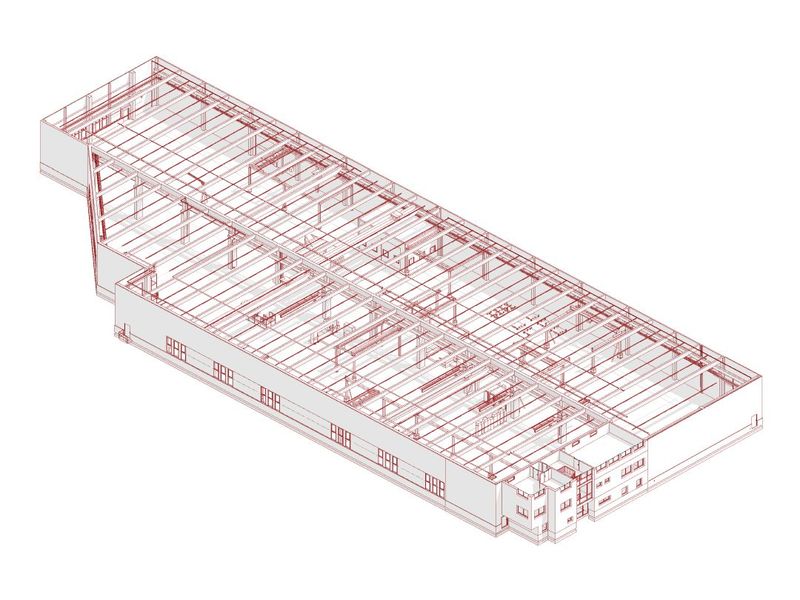
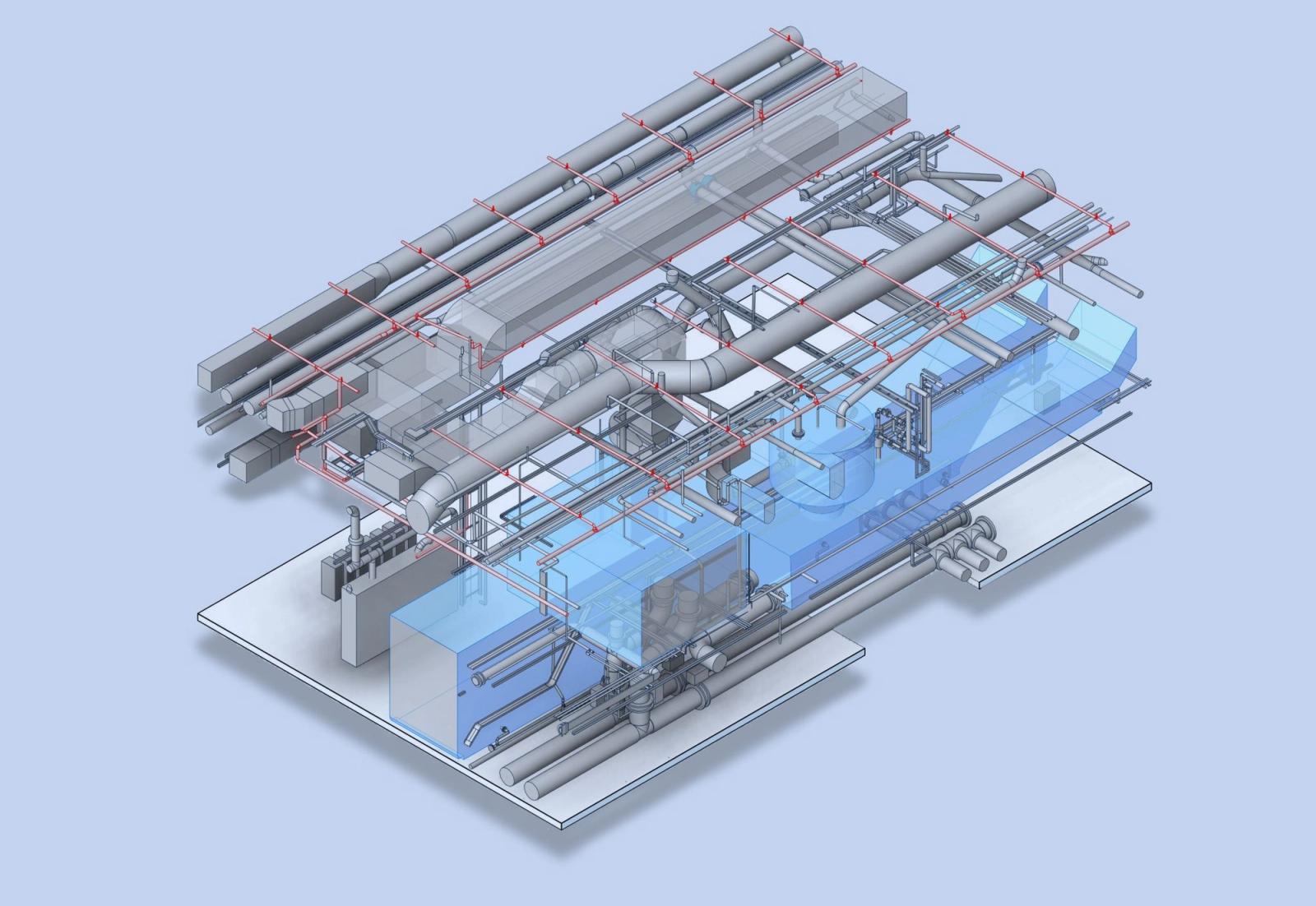
When BIM work is outsourced, the deliverable and the source model are not the same thing. A client often receives an IFC file or a set of drawings, which is fine for review and handover. But the asset that holds its value over time is the native model, the Revit file the whole project was built in. That is what lets the next team extend the work instead of starting from a blank sheet.
Keeping a copy of the deliverable is easy. Keeping the source model organised and retrievable years later is the part that actually matters when someone comes back.
How we organise and archive every project
Every project sits in a structured digital archive, not a folder someone named in a hurry on a Friday. Files are categorised by client, by date, and by project type, with standardised naming conventions, so a specific model can be located years later without a dig through the archive.
Storage runs on a secure cloud platform. That keeps files protected against hardware failure and reachable from anywhere our team works, rather than sitting on one machine that can die and take the project with it.
We keep them, and you can get them anytime
We retain project files with no end date, not for a fixed contractual window and not until storage runs out. Across all of our work, not a single project has been lost, and that record is the whole point of the system rather than a nice-to-have.
Clients know their files are held, and they can request copies at any time. The real payoff shows up on the return visit. When a client needs an update or a modification, having the original model on hand means the work starts straight away instead of after a costly rebuild of something that already existed.
Why this matters more in this industry
- Buildings outlive projects. A structure gets scanned, modelled, and renovated, and then years later it needs work again, and the model from the first round is either a ready asset or a gap someone has to fill from scratch.
- On heritage work the stakes are higher, because an accurate model can be the most complete record of a building that exists, worth keeping long after the immediate job is done. Our Lviv Organ Hall project is a clear case: the point cloud and BIM model are a permanent, precise record of a monument that has already lost ornament once.
- Continuity is also just how good client relationships work. We have run coordination on one hotel and residential development across three consecutive years, and that only functions because every model, revision, and decision behind it is still there to build on.
The honest version
This is not a filing-cabinet flex. It comes down to something simple. A client paid for a model, and that model should still be worth something in three years, ready to reopen and reuse rather than rebuild. Keeping it available and organised is how the money spent on it keeps paying off.
If you are weighing an outsourced BIM partner, ask what happens to your files after handover. It is a fair question, and the answer tells you more than most of the pitch will. When you want to talk through a project, our Scan to BIM service page is a good place to start, or get in touch directly.