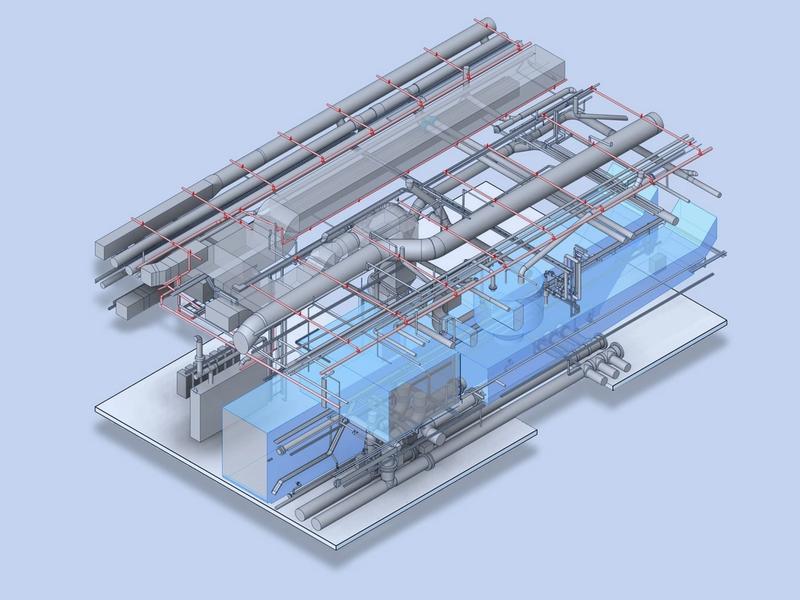
"Why is this system missing from the model?" That is close to the worst message a BIM team can get from a general contractor, a week before submission.
Most teams react the same way. They panic, dig through month-old email threads, and start looking for someone to blame. But scope creep does not really begin with a missing system. It begins earlier, at the point where decisions stop being written down.
The situation
Take a project we are running now, where the scope of work and the client's inputs shift almost every week. That kind of churn is normal on a fast-moving job. It is also exactly where things fall out of the model, because a decision made in a quick call in week two is very easy to forget by week six.
The habit that prevents it
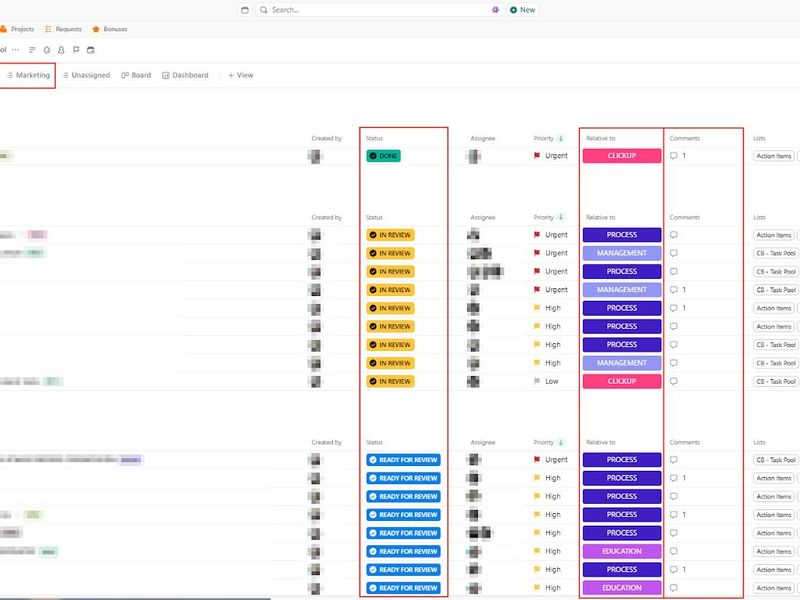
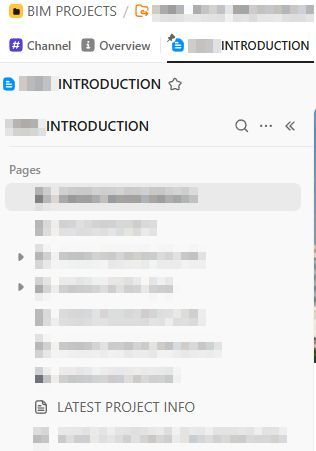
Early on, the client made a quick call to hand ceiling modelling to another subcontractor. It was a simple decision, and an easy one to lose a month later. So we did not rely on anyone remembering it. We logged it in "Latest Info," our internal tracker for recent decisions that we keep on every project.
The log is not sophisticated. It is a running record of what was decided and when, kept where the whole team can see it. The discipline is in doing it every time, not only when something feels important.
When it pays off
A month later, the message arrived: "Where are the ceilings in this area?" Our project manager opened the log, took a screenshot of the original decision, and sent it back. The question was closed in two minutes.
No extra hours went into digging through emails, and no one had to be blamed. The client relationship stayed clean because the answer was a documented decision rather than an argument about who said what.
Why it matters for the client
That record protects the client as much as it protects us. When scope shifts weekly, memory is not evidence, and disputes over what was agreed cost real time and goodwill on both sides. A clear log turns those moments into a quick reference instead of a standoff. On a fast project, it is close to the cheapest insurance you can build.
The honest version
None of this is clever. It is discipline, and it is boring in the best way. A two-minute entry when a decision is made saves hours of digging and a round of finger-pointing later, and it keeps the focus on the model instead of on who remembers what.
If you want a BIM partner that keeps this kind of record as a matter of habit, whether on a single model or full BIM coordination, tell us about your project.