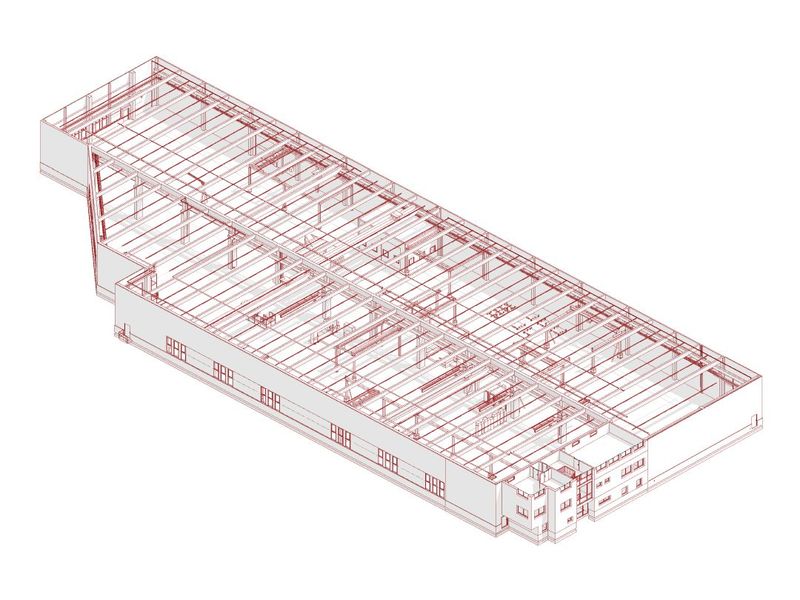
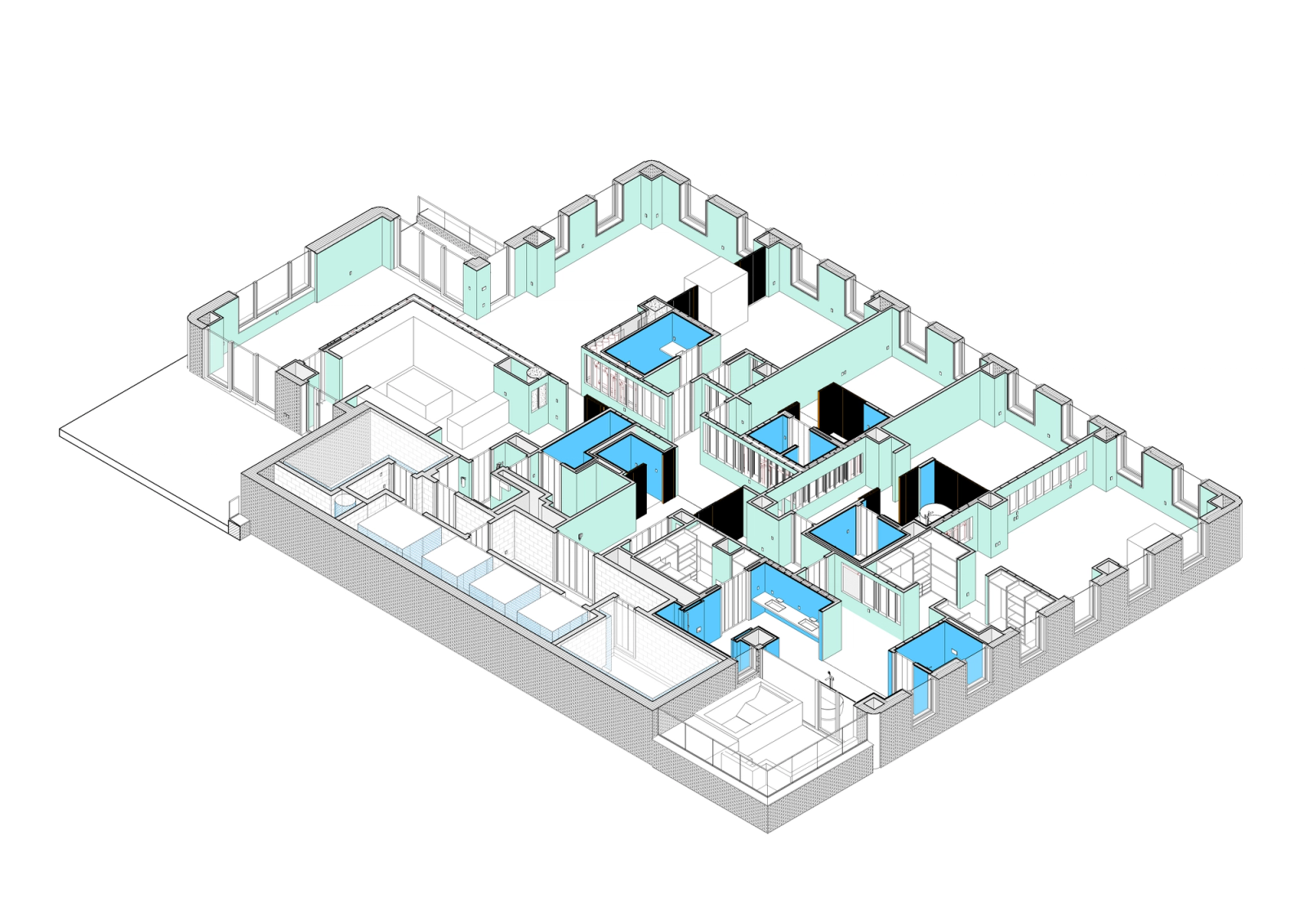
On a multi-discipline project, the architect, the structural engineer, and the MEP contractor each produce their own model. Every one of them can be correct on its own. The problems live in the gaps between them: a duct routed through a beam, a pipe crossing a doorway, a riser with no room for its supports.
When those conflicts are found on site, they turn into requests for information, change orders, and rework. That is where a large share of construction budgets quietly goes.
VDC and BIM exist to move that discovery off the site and into the model, where a conflict costs an email instead of a demolition. Here is how the two fit together, and what coordination actually involves.
VDC and BIM are not the same thing
The two terms get used interchangeably, but they do different jobs.
BIM is the model. It is a digital representation of the building where every element carries data about what it is, how it connects, and where it sits. VDC is the wider approach that puts that model to work: the planning, coordination, and execution methods that turn a model into decisions on a real project. BIM gives a team a shared source of truth. VDC is how the team runs the project around it.
What actually gets coordinated
Coordination starts by bringing the separate discipline models, architectural, structural, and MEP, into a single federated environment where they can be checked against each other.
Clash detection then finds where they physically conflict. A hard clash is a physical overlap, such as a pipe passing through a beam. A soft clash is a clearance problem, such as a duct that fits but leaves no room to install or maintain it. Each conflict is reported with a viewpoint and a structured note, so it stays traceable from the moment it is found to the moment it is resolved, instead of living in someone's inbox.
Someone has to hold the model together
On a project with several consultants and trades, one party has to hold the coordinated model and drive every conflict to a resolution. We take that neutral coordinator role.
In practice, that means:
- Collecting the up-to-date models from each discipline
- Running the clash detection
- Proposing how each conflict should be resolved
- Keeping the work moving through coordination meetings
It also means enforcing the BIM standards and the execution plan, so every team models to the same rules and the federated model stays reliable. Because we are not one of the design or trade parties, the coordination stays focused on the project rather than on whose model is right.
Where the quality and the savings come from
The payoff is direct. Every clash resolved in the model is a clash that never reaches the site.
Fewer surprises during construction mean fewer requests for information, fewer change orders, and less rework, which are the costs that erode a budget without ever showing up in the original plan. A single coordinated model also keeps everyone reading the design the same way, so the misreadings that turn into built mistakes stop happening. And because each issue is tracked from detection to resolution, there is a clear record of what was decided and why.
What this looks like on a real project
This is not theoretical for us. We have run coordination on one hotel and residential development across three consecutive years. That only works because the discipline models stay aligned, every conflict is documented, and the coordination carries from one phase into the next without starting over each time.
The honest version
None of this removes the need for good contractors or a sound design. What it does is take the predictable conflicts out of the field, where they are expensive, and settle them on screen, where they are cheap. On a multi-discipline project, that is usually the difference between a schedule that holds and one that slips.
If you are running a multi-discipline project and want an independent coordinator holding the model together, that is what our BIM Coordination service is built around. Tell us the project and where the friction is, and we will walk you through how the coordination would run.