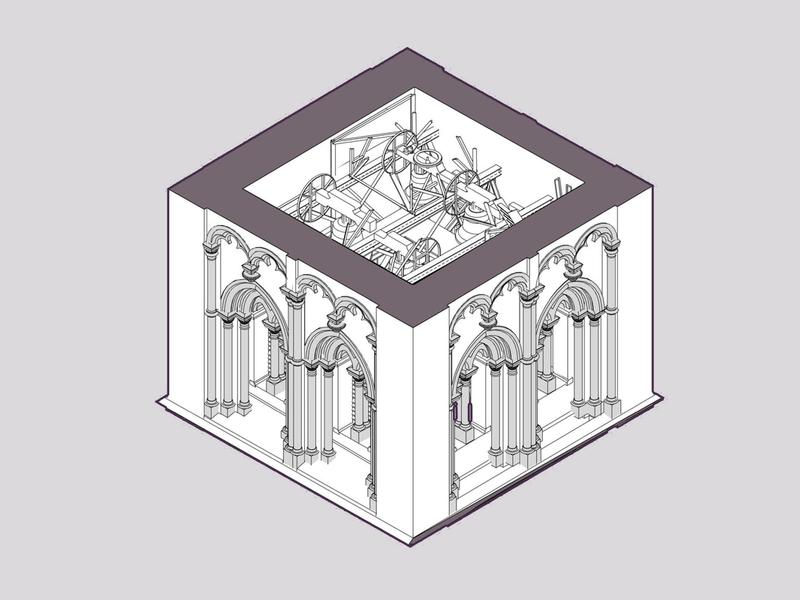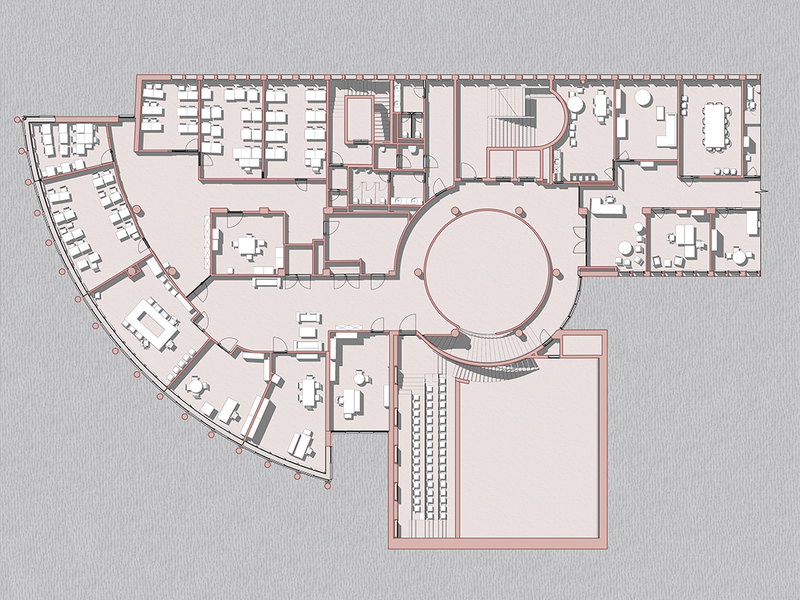
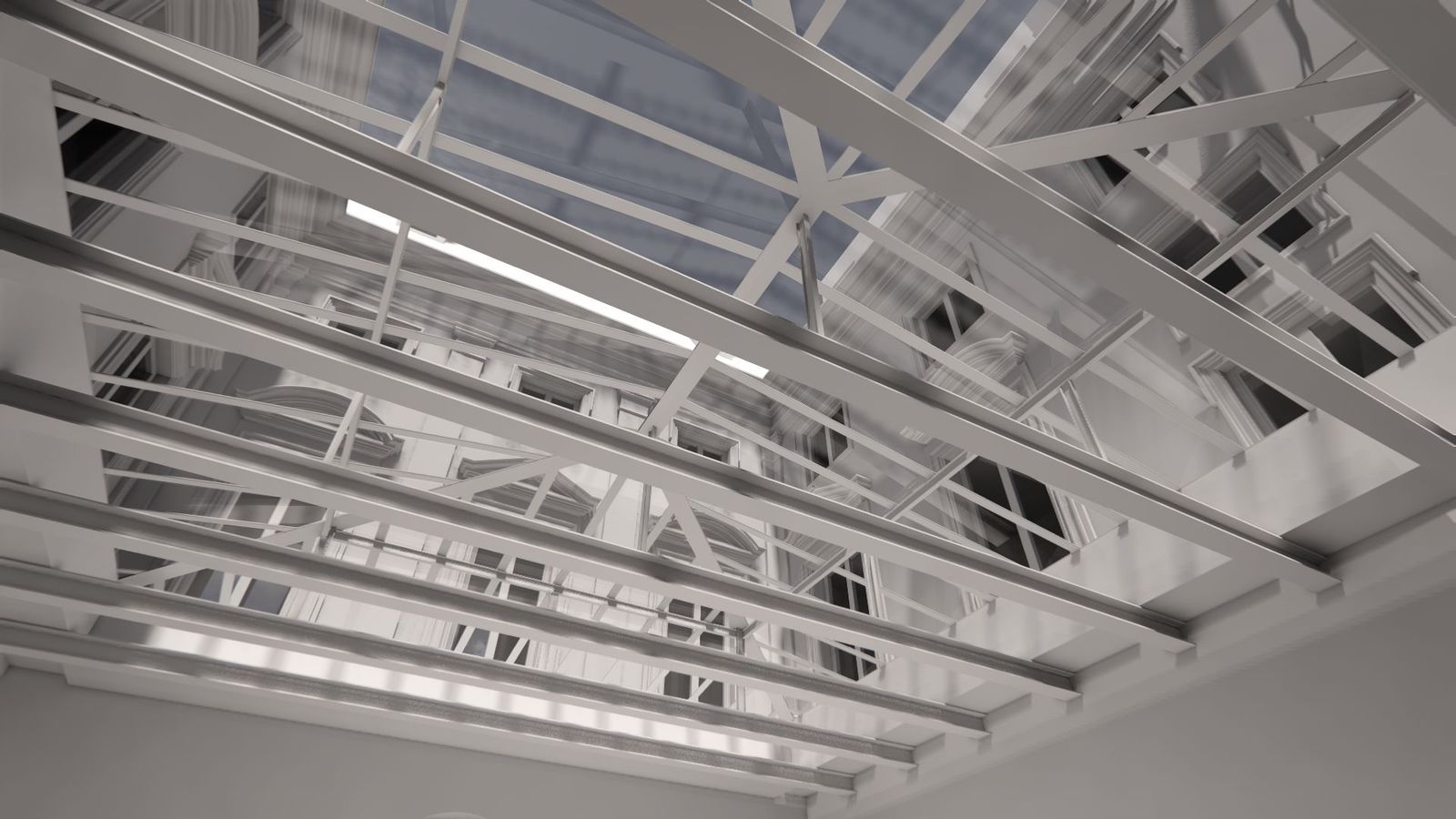
We estimated 900 hours for the job. When the timer hit 900 hours, the model was about a third finished.
The project was a historic building of 40,000 m². Anyone who has worked with heritage knows these are not ordinary floors you can repeat from level to level. They are unique decoration, complicated structure, and geometry that surprises you at every turn. Even so, the gap between the estimate and reality was hard to ignore. At the pace we were going, finishing meant running straight through the client's deadline.
Why the estimate broke
The estimate was not careless, but it rested on an assumption this building quietly broke. A normal project has repetition. Model a typical floor and much of the rest follows from it. A 40,000 m² heritage structure has far less of that. Almost every zone had its own decoration, structural quirks, and details that matched nothing else in the model. The work per square metre was simply higher than a linear plan had allowed for, and once we were 900 hours in, that was no longer a theory.
Stopping instead of pushing
The obvious move when a project runs long is to push harder, with longer hours and more people. But we were behind because the approach was wrong for the building, not because the team was slow, and pushing harder in the wrong direction only burns people out while the deadline slips anyway.
So we stopped and changed the rules instead. We dropped the linear approach we had started with and moved the whole project onto Scrum.
What switching to Scrum meant
Three things changed in practice.
We decomposed the building. Instead of one massive object, the model became a set of manageable local zones that could be planned and tracked on their own.
We replicated solutions. Rather than solving every unique corner from scratch, we worked out a clean solution for one zone and then scaled it to the others that were similar enough to reuse it. On a building this size, that saved an enormous amount of repeated effort.
We worked in short sprints. Instead of a single long timeline that only tells you the truth at the very end, short sprints showed real progress day by day, so we could see the actual pace and plan against it rather than hope.
What actually saved the project
It took a hard push from the team, but we met the deadline. The lesson was not that Scrum is magic. It was about the plan.
A plan matters. What matters more is the willingness to throw out a plan that has stopped working and build a new one quickly when a project is on fire. The linear plan was reasonable when we made it. The real mistake would have been staying loyal to it after the building had proved it wrong. Agile gave us the visibility to see that early enough to act, and the structure to act fast.
The honest version
Even a careful estimate can break on work that does not behave the way most work does, and heritage is exactly that kind of work. What protects the deadline is catching the gap early and being willing to change approach, rather than grinding through the wrong one. We wrote separately about how we estimate projects to avoid this in the first place, but when reality still outruns the plan, the ability to switch is what saves the delivery.
If you have a large or unusual model that needs to land on time, whether it is heritage Scan to BIM or something else, tell us about it.